Beyond the Greenlight: How Technology is Finally Killing the Movie Gatekeeper
Filmmaking has become cheaper, but it hasn't become simpler. While a single creator can produce a viral YouTube podcast or a stunning short film, the sheer complexity of a "full-fledged" feature film remains a barrier.
A blockbuster isn't just a camera; it is a complex workflow of hundreds of specialists:
The Table Read: Coordinating actors just to hear the script aloud.
The Storyboard: A small army of artists translating words to visuals.
The Coordination: The logistical nightmare of managing dates, tasks, and creative alignment.
Traditional studios remain the "powerhouses" because they are the only ones capable of bringing these elements together under one roof. Until now, the individual creator—no matter how talented—couldn't replicate that synergy without a massive studio budget.
Breaking the Gatekeeper Bias for Greenlight
The current studio system is often biased toward "safe" bets: sequels, reboots, and formulaic narratives designed to fit data analytics or the demands of a specific A-list actor. This often leaves culturally relevant, non-biased, and truly original storytelling on the cutting room floor.
Imagine a world where the power to "greenlight" moves from a boardroom to the audience.
Script-Level Validation: Stories are rated by the community at the earliest stage—like a Reddit for cinema.
Audience-Driven Greenlighting: Projects that resonate with people get the "go" signal, ensuring that what gets produced is actually what people want to see.
Distribution Transparency: Moving away from non-linear "content" (like podcasts and short-form loops) and back to the heart of long-form storytelling.
MovieColab: The Vertical Integration of Cinema
This is where the vision of a "world without gatekeepers" becomes a reality. To replace a studio, you don't just need a camera; you need a vertically integrated suite that handles the "hundred-human" workload.
1. The Virtual Table Read
No more waiting for actors' schedules. Using advanced LLMs and emotional script parsing, any script can be table-read instantly with assigned voices, allowing writers to hear their story breathe before a single cent is spent on production.
2. AI-Powered Storyboarding
What used to take weeks and a team of artists is now handled by 3D tools and nanotechnology-driven visualization. High-quality storyboards can be generated to ensure the visual "cohesion" that separates a hobbyist video from a cinematic masterpiece.
3. Orchestrating AI Agents
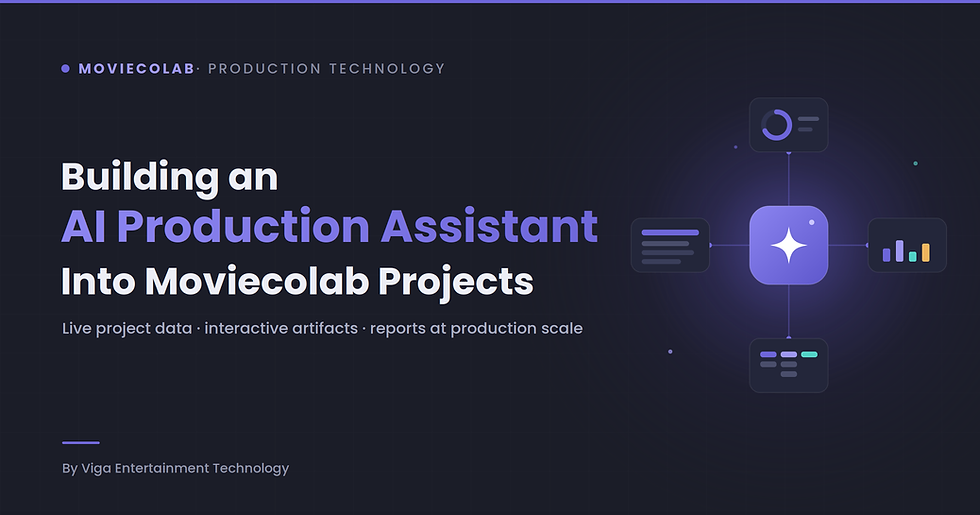
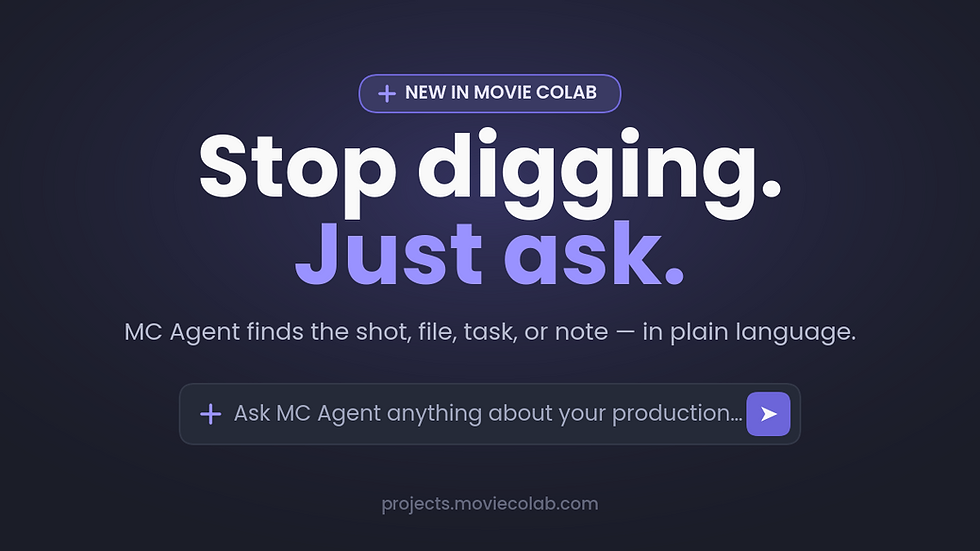
The most significant breakthrough is MovieColab Projects. We are introducing AI Agents capable of replacing the coordination traditionally done by dozens of managers. These agents manage tasks, maintain creative consistency, and allow an independent creator to lead a "team" that would have cost millions ten years ago.
The Death of the "Social Skill" Barrier
There are thousands of brilliant screenwriters who never get a meeting because they lack the "social skills" to navigate Hollywood's inner circles. By bringing everyone into one transparent, skill-based platform, we ensure that talent is the only currency that matters.
A world without gatekeepers isn't just about making films cheaper; it’s about making the quality of the idea the only thing that dictates its success.
The Future of Cinema: It’s not about waiting for a "Yes" from an executive. It’s about building a project so cohesive, so validated by its audience, and so efficiently produced that the "gate" simply ceases to exist.
Comments